
Writing Through Winter: How to Stay Creative When It Gets Dark Early
How to keep writing when the days are short: micro-sessions, morning light, seasonal prompts and a bit of...

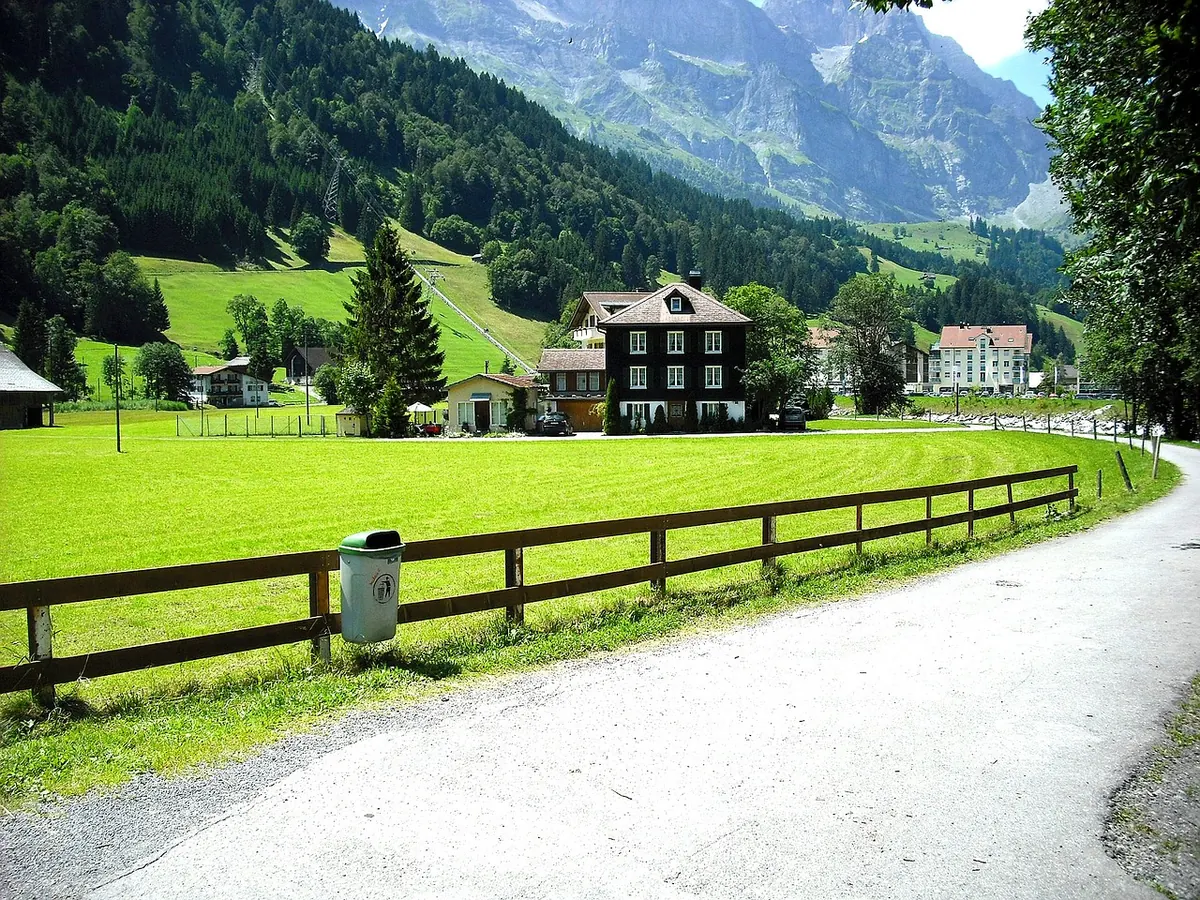
Type "Yorkshire village" into a search engine and you will see the same photograph a hundred times: drystone walls, a pub with hanging baskets, a dog asleep outside the shop. None of it is wrong. It is simply so familiar that it does no work on the page. The reader's eye slides straight off it, and with it goes your character's world.
Place in fiction is not scenery. It is pressure: what the weather does to a mood, what a bus timetable does to a plot, what a childhood street does to the way someone speaks thirty years later. Getting it right takes a bit of detective work, and the good news is that Britain is unusually well documented. Nearly everything you need is free, local, and slightly dull to look at, which is exactly why it feels true.
Tourist boards sell an average, and averages are the enemy. A real coastal town has three chip shops, one of which closed in October and still has its menu in the window. A real Cotswold village has a bus that runs on Tuesdays and a noticeboard advertising a pilates class in the church hall.
So begin by asking what a person who had lived there for fifteen years would stop noticing. The smell of the abattoir on a Tuesday. The fact that the road floods outside number forty-two. The corner where the phone signal dies. Write down ten of those before you write a single line of description, and you will have a place rather than a backdrop.
You do not need to visit. You need to look properly, and a few sources do most of the heavy lifting.
Ordnance Survey Explorer and Landranger maps tell you the shape of a place: which side the hill falls away, where the railway actually runs, how far the housing spreads beyond the bypass. For anything historical, the National Library of Scotland's digitised historic Ordnance Survey maps are free to browse and let you watch a town grow across a century, street by street.
Every council publishes planning applications, and they are a quiet goldmine. They tell you what is being built, what is being demolished and what the neighbours think about it. Read a few objections to a proposed extension and you will hear local voices arguing about light, parking and property values in their own words.
Regional newspapers are where the texture lives: court reports, council meetings, letters pages, the fate of a closed swimming pool. Companies House will confirm whether a business name you invented already exists. And if you need one detail to be exactly right, ask. A local history society, a Facebook group for the town, a friend of a friend — people are generally delighted to correct a stranger about their own street.
Coasts are geological first and picturesque second. Shingle beaches sound different underfoot from sand; they scrape. Groynes divide a beach into bays, so a stroll along the front has a rhythm to it. Harbour walls host the lifeboat station, the anglers and the men who fix outboard motors.
Then there is the season. In August the amusement arcade is loud and the promenade smells of chips, sun cream and hot tarmac. In February the same promenade is empty apart from a dog walker and a gull standing on a bench, and the sea is a flat, grey, unromantic slab. Both versions are true, and choosing between them is one of the most efficient ways to tell the reader what kind of book this is.
Avoid the words "quaint", "unspoilt" and "hidden gem". They are the sound of a leaflet, not a person.
Writing about ordinary streets is where good intentions often go wrong. There is a shorthand for urban deprivation — graffiti, broken glass, a lone dog — and it flattens whole neighbourhoods into a mood. Real estates contain pride and neglect on the same street, sometimes in the same garden.
Go specific instead. A maisonette above a parade of shops. Pebbledash next to red brick. Net curtains, satellite dishes, a trampoline, a wheelie bin with the number painted on the lid. A 1930s semi with a bay window and a garage converted into a bedroom. Inner-city terraces where a mosque, a Polish deli and a betting shop share a hundred yards of pavement, and nobody in the street finds that remarkable.
If it helps, build a small inventory before you write:
That last list matters more than people expect. Dialect is place made audible, and one correctly chosen local word will do more than a paragraph of description.
British weather is not a mood, it is a calendar. Drizzle, squalls, hail that arrives sideways, the muggy still afternoon before a storm, the way a February day is finished by half past four. Say which one, and say what it does. Rain you can hear on a car roof is not the same rain you can walk through without a hood.
Light is the other half of it. Low winter sun straight in the eyes at four o'clock. Sodium streetlights making everything orange. Grey cloud that flattens a whole town into two dimensions. Condensation running down the inside of a bus window. Small observations like these build the feeling readers call atmosphere, though it is really just accuracy.
One misplaced detail undoes a hundred good ones, and readers who know the area will notice immediately. A short checklist before you finish a scene:
Then resist the temptation to prove your research. Two or three pinned details convince; a full paragraph of them reads like a set of notes. Keep the rest in a file for later.
Pick a place you know well — a street, a seafront, a bus route. Write two hundred words of a scene there without using a single judgemental adjective: no "bleak", no "charming", no "vibrant". Add three details only a local would know, then delete the one you like least. Read it back and check every factual claim. Keep the result in a "place file" so that when the same town reappears in chapter twelve it still agrees with itself.
Do that a few times and you will stop describing Britain and start writing it, which is the difference between a setting and a place someone lives.
Photo: placeontop / Pixabay
How to keep writing when the days are short: micro-sessions, morning light, seasonal prompts and a bit of...
Editing your own first draft is easier in stages: shape the structure, sharpen each scene, tighten...
A practical guide to telling the difference between personal essays and memoir, covering scope, voice,...